
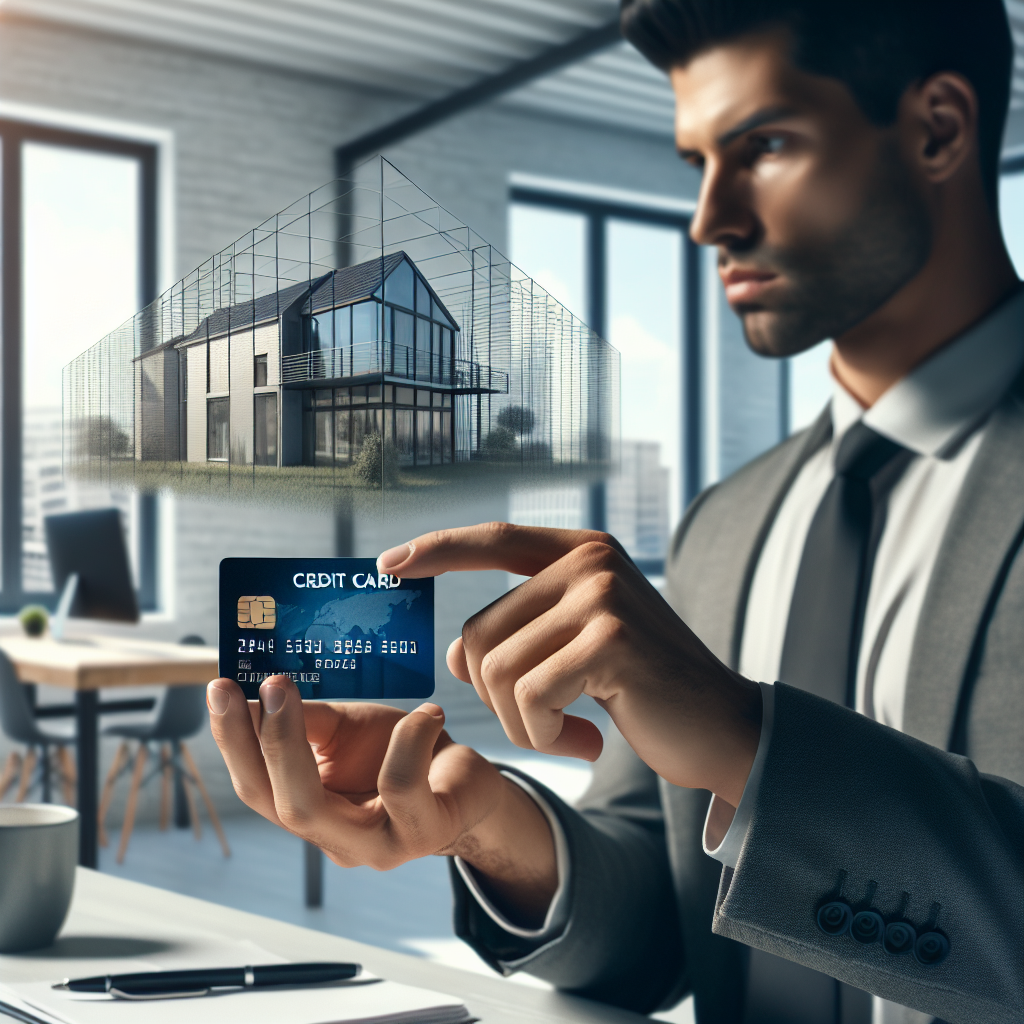
Here’s the truth they never teach you in school, in church, or in any financial literacy program designed to keep you “responsible”: every wealthy person in America uses credit. Every real estate investor. Every business owner. Every person who has built generational wealth. They don’t avoid credit. They don’t fear it. They use it — strategically, intentionally, and profitably.
The difference? They use credit as a tool. A lever. A bridge between where they are and where the asset lives. Most people — the people the system was designed for — use credit as a trap. A way to buy things they can’t afford with money they don’t have at interest rates that ensure they’ll never catch up.
Today, we’re going to cross the bridge from trap to tool. I’m going to show you exactly how consumers use credit versus how owners use credit. And then I’m going to give you five specific strategies to start using credit like an owner — starting right now, with whatever you’ve got.
“Credit is a tool. In the hands of a consumer, it builds debt. In the hands of an owner, it builds wealth. The tool doesn’t change. The hands do.”
Credit as a Trap: How Most People Use It
Let’s be honest about where most people are. Not to shame anyone — the system designed this. But to see the trap clearly so we can escape it.
-
Consumer Spending on Depreciating Items
The number one way credit becomes a trap: using it to buy things that lose value the moment you swipe. Clothes. Electronics. Vacations. Restaurant meals. Entertainment. None of these things are wrong. But when you put them on a credit card at 22% interest and make minimum payments, that $200 dinner out costs you $400 by the time you’ve paid it off. That $1,200 phone costs you $2,000. You’re paying double for things that are worth half by the time you finish paying. That’s Matrix Math working against you.
-
The Minimum Payment Lifestyle
When you carry balances on multiple cards and only make minimum payments, you’re not managing debt. You’re renting debt. You’re paying the bank every month for the privilege of owing them money. And the total cost of that rental arrangement? It can be two, three, or four times the original purchase price. The minimum payment was engineered to feel manageable while maximizing the total amount you pay over time. It’s not a service — it’s an extraction system.
-
Lifestyle Inflation on Borrowed Money
This is the trap within the trap. You get a raise, and instead of increasing savings, you increase spending. But you don’t just increase cash spending — you increase credit spending too. New card, higher limit, bigger purchases. Your lifestyle expands, but it’s built on borrowed foundations. And the moment income dips — a job change, a health issue, an economic downturn — the whole structure wobbles. Because it was never built on equity. It was built on credit. And credit without a plan is a house of cards.
-
Emergency Dependence
When credit becomes your emergency fund, you’ve turned a short-term solution into a long-term trap. A $3,000 medical bill goes on the card. A $1,500 car repair goes on the card. A temporary gap between paychecks goes on the card. Each time, the balance grows. Each time, the minimum payment inches up. And each time, the margin between surviving and sinking gets thinner. The system counts on this. They know most Americans don’t have $1,000 in emergency savings. They know the card will be the first call. And they’ve priced the interest accordingly.
If any of this sounds familiar, I need you to hear this: it’s not your fault. You were taught to use credit this way. Every commercial, every pre-approved offer, every “buy now pay later” checkout button was designed to keep you using credit as a consumption tool. Nobody showed you the other way. Nobody told you there was another way.
There is another way.
Credit as a Tool: How Owners Use It
Now let me show you the other side of the ledger. Because while the system teaches consumers to use credit for consumption, owners use credit for acquisition. And that single shift — from consumption to acquisition — is the difference between building debt and building wealth.
| Category | Consumer (Trap) | Owner (Tool) |
|---|---|---|
| Purpose | Buy things they want now | Acquire assets that produce income |
| What They Buy | Depreciating items | Appreciating or income-producing assets |
| Payment Strategy | Minimum payments | Strategic payoff timed to ROI |
| Interest Relationship | Pays interest to banks | Earns returns that exceed interest cost |
| End Result | Less money, more debt | More assets, growing wealth |
Here’s how owners actually use credit in the real world:
Real Estate Leverage: An owner uses a mortgage — which is a form of credit — to acquire a rental property. The property generates monthly rental income that exceeds the mortgage payment. The tenant pays the mortgage. The property appreciates over time. And the owner builds equity using someone else’s money. That’s credit as a tool. The owner didn’t avoid credit. They leveraged it to acquire a cash-flowing asset.
Business Credit: An owner uses a business line of credit to purchase inventory, fund a marketing campaign, or hire staff. That investment generates revenue that exceeds the cost of the credit. The business grows. The credit gets repaid from profits. And the owner is further ahead than if they had waited to save up the cash. Credit didn’t create debt — it created opportunity.
Strategic Balance Transfers: An owner takes advantage of a 0% APR balance transfer offer — not to buy more stuff, but to move existing high-interest debt to a 0% card. For 15 to 21 months, every dollar they pay goes directly to principal. No interest. No extraction. The same payment that was barely making a dent at 22% now eliminates the debt entirely during the promotional period. That’s using the system’s own offers against it.
Credit Score as a Pricing Tool: An owner maintains excellent credit not because they worship the score, but because they understand that a higher score means lower costs on everything. Lower mortgage rates. Lower insurance premiums. Better business credit terms. Better lease negotiation power. The score is the tool that makes every other financial tool cheaper to use.
“Consumers use credit to buy things that lose value. Owners use credit to acquire things that gain value. The credit card doesn’t know the difference. But your bank account does.”
Are You Using Credit as a Trap or a Tool?
Take the free Financial Breakthrough Assessment and discover how your current credit usage is affecting your wealth — and what to do about it.
Thousands of Freedom Fighters have already made the shift. Your turn.
5 Ways to Use Credit Like an Owner
You don’t need to be a real estate mogul or a business tycoon to start using credit like an owner. You can start right now, right where you are, with exactly what you have. Here are five specific strategies that shift credit from a trap to a tool.
-
Use 0% Balance Transfers to Kill High-Interest Debt
If you’re carrying a balance at 18% to 25%, apply for a card with a 0% introductory APR on balance transfers (typically 15 to 21 months). Transfer the balance. Then divide the total balance by the number of promotional months and pay that amount each month. Every dollar goes to principal. No interest. No extraction. If you owe $6,000 and get a 20-month 0% offer, that’s $300 per month — and you’re debt-free at the end with zero interest paid. The bank offered you the tool. Use it like an owner.
-
Build Business Credit Separate from Personal Credit
If you have any kind of business — even a side venture — start building business credit. Get an EIN. Open a business bank account. Apply for a business credit card. Business credit builds on its own profile and doesn’t rely entirely on your personal score. Over time, a strong business credit profile gives you access to larger credit lines, better terms, and the ability to fund business growth without risking your personal finances. Owners separate their credit profiles. Consumers don’t even know they can.
-
Use Credit Card Rewards Strategically (Not Emotionally)
Cash back, travel points, statement credits — these rewards exist because the credit card companies expect most people to spend more than they would with cash and carry balances that generate interest far exceeding the rewards. The owner’s move: use a rewards card for expenses you would have paid anyway — groceries, gas, recurring bills — pay the balance in full every month, and pocket the rewards. You’re using the bank’s incentive program without triggering their profit mechanism. 2% back on $2,000 monthly in normal spending is $480 a year — free money, but only if you never carry a balance.
-
Leverage Credit to Acquire Income-Producing Assets
This is the owner’s ultimate play. Use credit — mortgage, business credit line, or strategic personal loan — to acquire something that pays you back more than the credit costs. A rental property where the tenant’s rent covers the mortgage plus cash flow. Equipment for a business that generates revenue. Inventory that gets sold at a markup. The key calculation: does the asset’s return exceed the cost of the credit? If yes, you’re using credit as leverage. If no, you’re using credit as consumption. Owners always run this calculation before they borrow.
-
Maintain an Excellent Score to Lower Every Financial Cost
Think of your credit score as a discount card for your entire financial life. A 760+ score doesn’t just get you approved. It gets you the best rates on mortgages (saving six figures over the life of a loan), the lowest insurance premiums (saving thousands per year), the best credit card offers (with the longest 0% periods and highest rewards), and the strongest negotiating position for business credit. Maintaining your score isn’t vanity. It’s strategy. Every point above 700 is money in your pocket on every financial product you touch. Use Credit Rocket AI to keep your profile clean, your disputes current, and your score optimized as a permanent financial tool.
“Five strategies. None of them require more money. All of them require a different mindset. That’s the shift from consumer to owner — and it starts with how you think about credit before you ever swipe the card.”
The Bridge from Trap to Tool
I know what some of you are thinking: “George, this sounds great, but I’m still in the trap. How do I get from here to there?”
That’s exactly what the Freedom Framework was built for. It’s the bridge. And Pillar 4 — Elevate Your Name — is the section of the bridge that deals specifically with credit.
Here’s how the full framework connects:
Pillar 1 — Restructure Your Cash Flow: Before you can use credit as a tool, you need to stop the bleeding. Solomon’s Three Buckets restructures how every dollar flows through your life. Live, Give, Grow. When your cash flow is structured, you stop depending on credit for emergencies. You stop putting consumption on cards. And you create the margin to make strategic credit moves.
Pillar 2 — Eliminate Debt Strategically: The Zero Debt Accelerator sequences your existing debt for fastest elimination. Every balance you pay off reduces utilization, improves your score, and frees up cash flow that can be redirected toward asset acquisition. Debt elimination isn’t the end goal. It’s the launchpad.
Pillar 3 — Protect Your Family: Insurance, estate planning, emergency reserves. This pillar ensures that one crisis doesn’t unravel everything you’ve built. Owners protect what they have before they leverage for more.
Pillar 4 — Elevate Your Name: Credit Rocket AI restores your credit profile. Disputes are filed. Errors are corrected. Scores climb. And as they climb, every financial product in your life gets cheaper. Lower rates. Lower premiums. Better terms. The cost savings from a restored credit profile alone can fund the next phase of your wealth-building journey.
Pillar 5 — Build Ownership: This is where credit becomes a tool in its fullest expression. With restructured cash flow, eliminated consumer debt, protected assets, and a restored credit profile, you’re now positioned to use credit the way owners use it — to acquire income-producing assets that build generational wealth.
The bridge from trap to tool isn’t a single leap. It’s a structured journey. And every pillar supports the next.
Owner’s Arithmetic Applied to Credit
At Be Free University, we teach something called Owner’s Arithmetic — the math that owners use versus the math the system teaches you. And nowhere is the difference more visible than in how it applies to credit.
Same amount of credit. Same borrowing. Radically different results. The difference isn’t the credit. It’s what the credit was used for. Consumer Arithmetic says: borrow to consume. Owner’s Arithmetic says: borrow to acquire. Borrow to build. Borrow to create income.
This is the shift that changes everything. When you stop asking “Can I afford the payment?” and start asking “Does this credit create a return?” — you’ve crossed from consumer to owner. From trap to tool. From Matrix Math to Owner’s Arithmetic.
And here’s the part that will keep you up at night once you see it: the wealthy have been using this arithmetic for generations. Banks borrow at 0.5% from the Federal Reserve and lend to you at 22%. Real estate investors borrow at 6% and earn 12% returns. Business owners borrow at 8% and generate 30% margins. They all use credit. They all borrow. But they borrow to acquire assets that earn more than the credit costs. That’s Owner’s Arithmetic. And it’s available to you too.
“The question isn’t whether to use credit. The question is: does the credit create more than it costs? If the answer is yes, you’re thinking like an owner. And that changes everything.”
Ready to Use Credit Like an Owner?
Take the free Financial Breakthrough Assessment and discover where you are on the path from trap to tool. The Freedom Framework will show you exactly how to make the shift.
No cost. No commitment. Just the owner’s playbook — and the path to the life you were meant to build.
Keep Reading — Keep Building
The Three Types of Debt: Which Ones Are Killing Your Wealth — Blog #23
Credit Repair vs. Credit Restoration: What Actually Works — Blog #29
The Ownership Mindset: How Owners Think About Money Differently — Blog #40
Want Be Free University to show up first in your Google results?

Responses